The Ultrasound Lab provides discipline-specific POCUS training designed to improve clinical decision-making under uncertainty.
Our courses move beyond image acquisition. We teach clinicians how to integrate ultrasound findings with physiology, pre-test probability, and clinical context. Each curriculum is practical, high-yield, and designed for immediate bedside application.
Nephrology POCUS Intensive
Hemodynamics, Volume Assessment & Deresuscitation
This hands-on intensive is designed specifically for nephrologists and clinicians managing complex volume states.
The course centers on real clinical questions:
Will additional fluid increase cardiac output?
Will this patient tolerate diuresis or ultrafiltration?
When is venous congestion driving kidney injury?
Rather than relying on single surrogates (e.g., IVC alone), participants learn an integrated, physiologic approach to volume assessment using:
Lung ultrasound
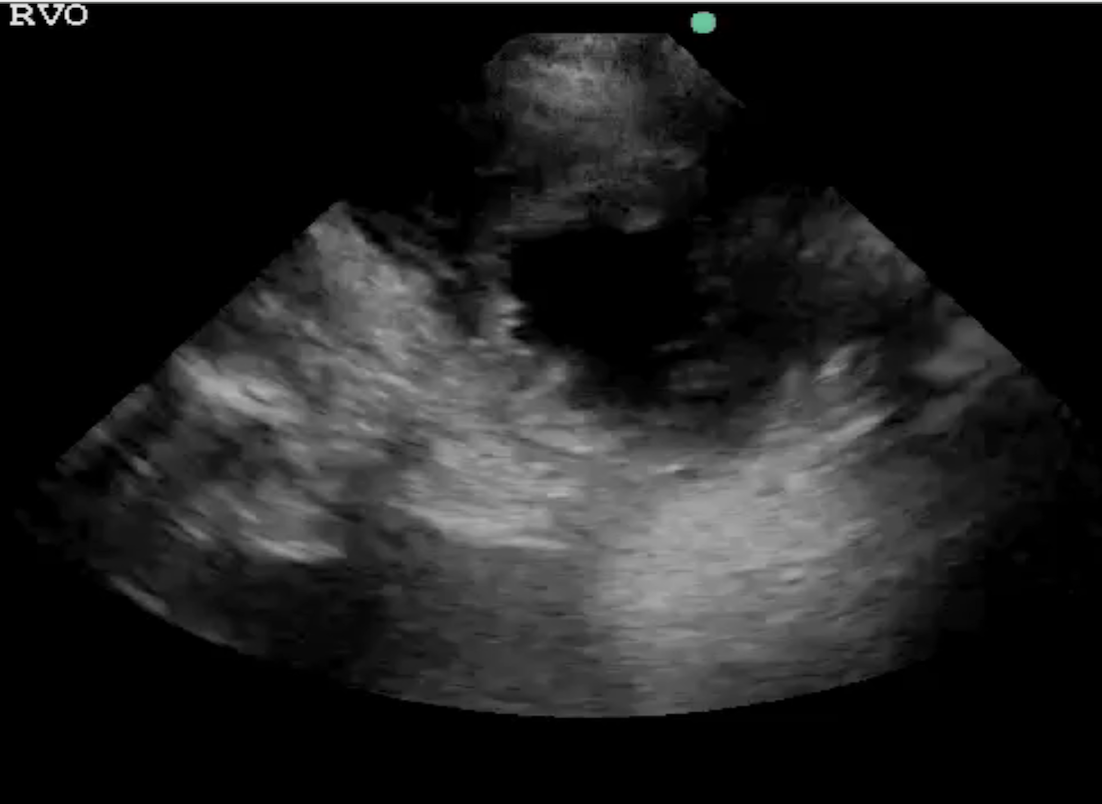
Focused cardiac assessment
LVOT VTI for dynamic cardiac output estimation
Venous Doppler (portal and hepatic veins) for congestion assessment
Renal and bladder ultrasound are incorporated within this curriculum to complete the evaluation of AKI and obstructive physiology at the bedside.
Renal & Bladder Applications (Integrated Within the Nephrology Track)
Participants develop a question-driven approach to renal POCUS:
Is obstruction contributing to AKI?
Is hydronephrosis truly present?
Is the Foley positioned correctly?
Is urinary retention complicating management?
Emphasis is placed on avoiding common pitfalls (e.g., parapelvic cysts mimicking hydronephrosis) and building confidence in technically challenging patients.
Key Skills You Will Develop
Dynamic assessment of fluid responsiveness using cardiac output surrogates (LVOT VTI)
Lung ultrasound interpretation for pulmonary congestion and fluid tolerance
Venous Doppler (portal/hepatic) to assess back-pressure and venous congestion
Structured integration of ultrasound into decisions around fluids, diuresis, and ultrafiltration
Renal/bladder ultrasound for obstruction, retention, and AKI phenotyping
Application of ultrasound to cardiorenal physiology and AKI pathways
Who This Is For
Nephrologists, advanced practice providers, fellows, and hospital-based clinicians managing AKI, cardiorenal syndrome, and complex volume states.
Hospitalist POCUS
Practical Bedside Ultrasound for Inpatient Decision-Making
This course is tailored to hospital medicine and emphasizes high-impact applications that change inpatient management without requiring advanced hemodynamic Doppler techniques.
The curriculum focuses on:
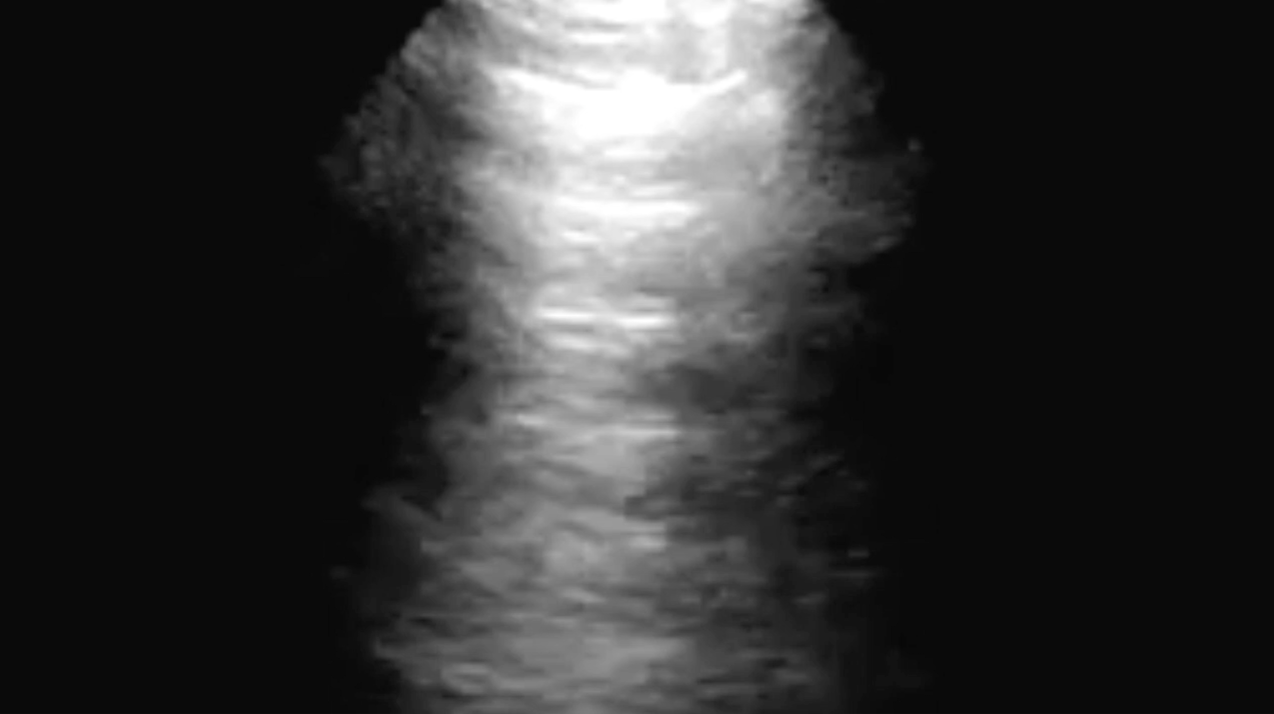
Lung ultrasound
Basic cardiac assessment
Practical IVC interpretation (with limitations)
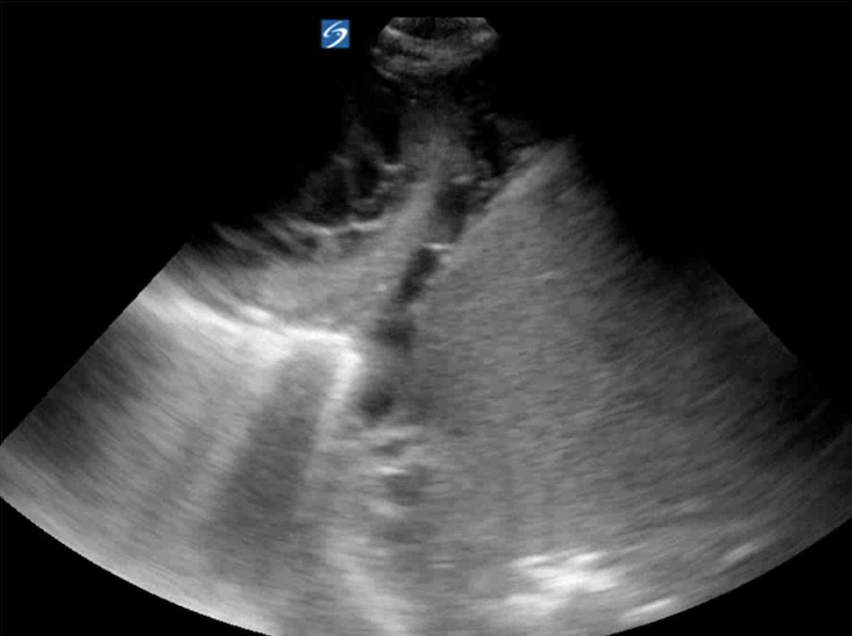
Focused renal and bladder ultrasound
Participants learn to apply ultrasound within a Bayesian framework — using imaging findings to update clinical probability, not as binary diagnostic labels.
Key Skills You Will Develop
Lung ultrasound for pulmonary edema, pneumonia, and pleural effusions
Focused cardiac assessment for systolic function and pericardial effusion
Practical IVC interpretation grounded in physiologic context
Bedside renal/bladder ultrasound for AKI and urinary retention
Ultrasound-guided clinical reasoning for common inpatient syndromes
Who This Is For
Hospitalists, advanced practice providers, residents, and inpatient teams seeking practical POCUS skills that translate immediately to patient care.
Teaching Philosophy
At The Ultrasound Lab, ultrasound is taught as a decision tool — not a pattern-recognition exercise.
Courses emphasize:
Physiologic interpretation of images
Bayesian reasoning at the bedside
Clinical integration over memorization
The goal is durable clinical judgment — not view acquisition alone.